Garment preservation
The silhouette, color story, and visible details stay central while the presentation changes around them.
Fashn's virtual try on workflow turns a garment photo into realistic on-model content for product pages, campaigns, and creative review. Start with one clear image, test several directions, and move from idea to usable fashion visuals without organizing a full shoot.
Fashn keeps the garment at the center while AI helps you explore model, pose, and setting choices at production speed.
Use a clean product image with visible shape, color, and construction details.
Choose a model, pose, crop, and visual mood that fits the collection and audience.
Generate variations, compare the strongest frames, and prepare the next content batch.
The value of Fashn is not a generic image generator. Its AI workflow separates garment fidelity, human presentation, and repeatable direction so teams can make better decisions earlier.
The silhouette, color story, and visible details stay central while the presentation changes around them.
Explore different people and styling contexts before deciding which direction deserves a physical production.
Create several useful options from the same starting point instead of commissioning a new frame for every test.
Turn flat product references into on-model PDP candidates, then use the strongest frames to prioritize photography.
Use packshot images as a clean starting pointExplore a campaign's people and locations before a team commits to casting, styling, and location logistics.
Keep the product fixed with model swapShow stakeholders multiple visual routes quickly, with AI-assisted images that make an early concept easier to evaluate.
Explore ai fashion models for campaign conceptsBuild a more coherent collection by reusing the same visual direction across related products and seasonal drops.
Create a repeatable system with consistent modelsFor a collection that needs a shared face across many looks, pair Fashn with consistent models. If the product image itself needs cleanup before styling, begin with a packshot workflow.
Use this illustrative estimate to see how a small AI-assisted batch can change the shape of a production plan. Adjust the number of garments and compare the possible output.
Illustrative planning math, not a quote or guaranteed production result. Actual output depends on source images, garment complexity, and review standards.
Fashn is designed to accelerate visual exploration, not to hide the places where a human review or a real shoot still matters.
An image can suggest drape and proportion, but it does not replace physical measurement, sample approval, or a fit session.
Workaround: Use approved size charts and real fit references alongside the AI visual.
Back panels, lining, sheer layers, and details outside the source view cannot be reliably inferred from one photo.
Workaround: Supply additional references or use a physical sample for final product truth.
High-stakes campaign work may still need retouching, art direction, legal review, and controlled color checks.
Workaround: Treat AI output as a strong draft and route selected frames through your normal approval process.
Brands remain responsible for likeness rights, source-image permissions, and how generated people are represented.
Workaround: Use approved references and document the intended use before publishing.
The strongest result begins with a useful source image and ends with a human selecting the frame that best serves the collection.
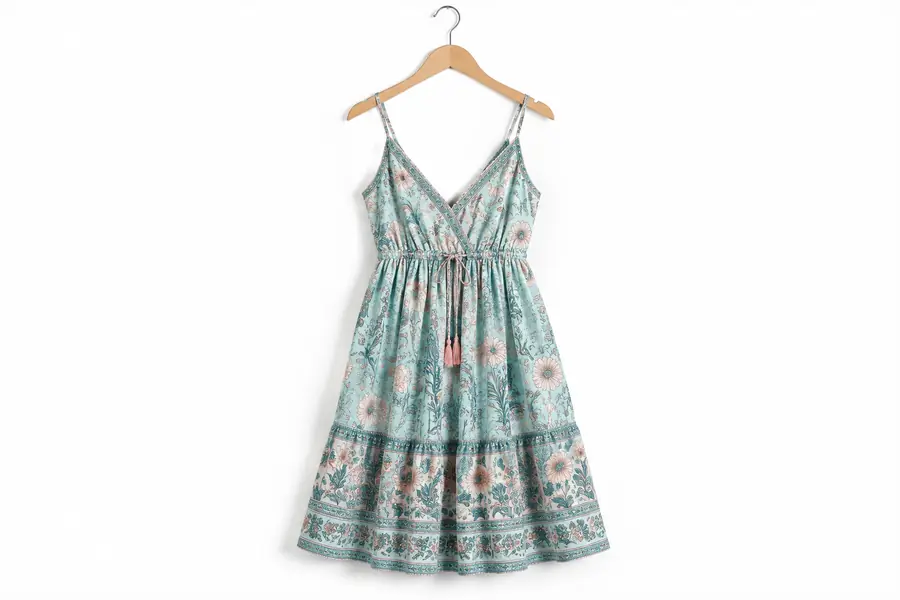
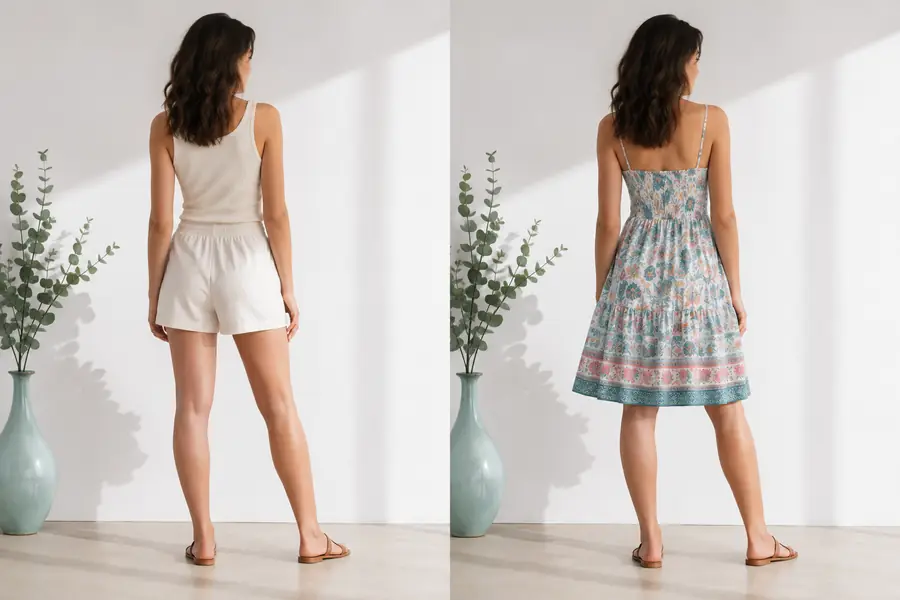
A comparison like this is useful for internal review: it shows what the garment contributes, what the AI adds, and where a creative lead should make the final call.
A practical starting point for teams deciding whether an AI-assisted fashion workflow fits their next launch.
It is a way to visualize a garment on a person using a source clothing image and an AI-generated fashion context, helping teams review presentation before a physical shoot.
Use a sharp, well-lit product reference where the garment edges, color, and key construction details are easy to see. A clean packshot is often the simplest starting point.
No. Fashn can reduce exploratory production and help teams create useful PDP or campaign drafts, but physical samples, fit validation, final retouching, and rights review may still be necessary.
Define a repeatable direction for model, lighting, crop, and styling. Teams that need a shared identity can also use Fashn's consistent model workflow across related looks.
Use the right tool for the right stage of fashion content production.
| Attribute | Fashn workflow | Traditional reshoot |
|---|---|---|
| Starting input | Garment reference | Sample, crew, and location |
| Model flexibility | Many directions to test | Limited by casting schedule |
| Early concept review | Fast visual reference | Requires production first |
| Physical fit validation | Not a substitute | Directly available |
| Iteration cost | Low for exploration | Higher per new direction |
| Final campaign control | Best for selected drafts | Best for controlled production |